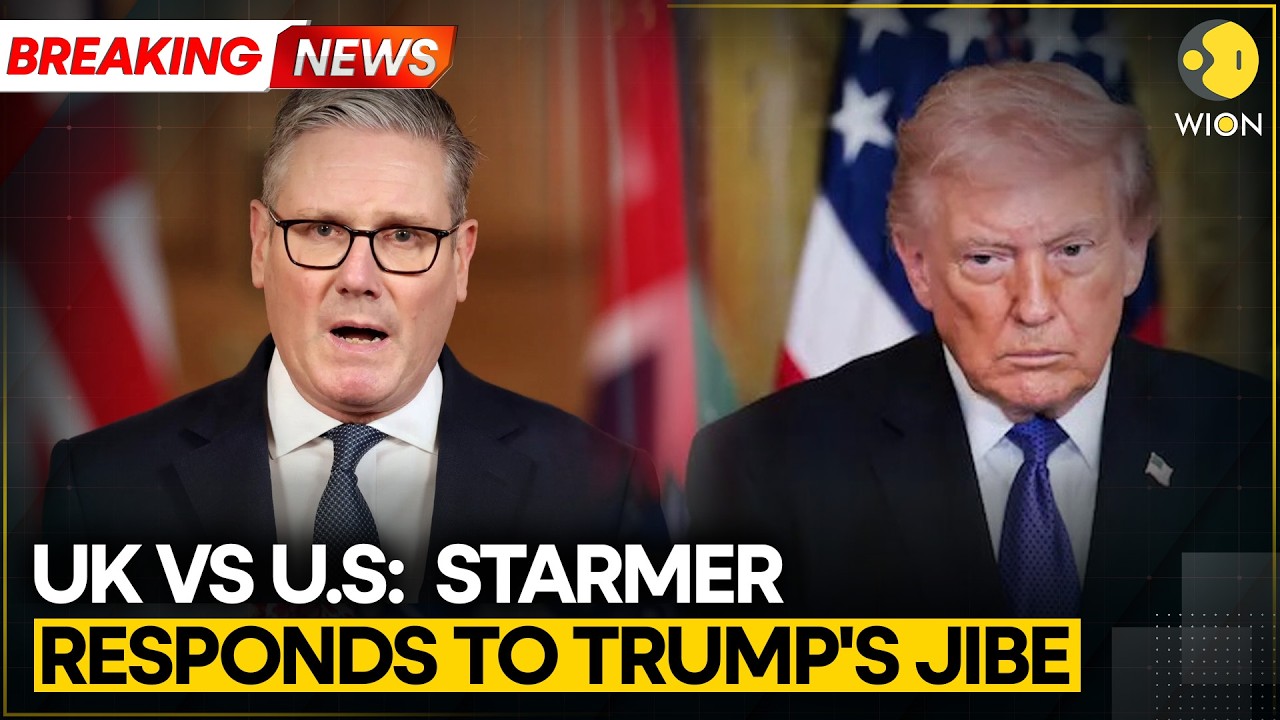
Keir Starmer's Iran Stance: Prioritizing UK National Interest Amidst Regional Tensions
In an increasingly volatile geopolitical landscape, the United Kingdom's foreign policy decisions, particularly regarding flashpoints like Iran, are under intense scrutiny. A key uk pm iran update revolves around Prime Minister Keir Starmer's measured approach to the escalating tensions in the Middle East. Starmer has consistently articulated a strategy rooted firmly in the UK's national interest, emphasising adherence to international law, core principles, and a resolute commitment to preventing a broader regional conflict. This stance positions the UK as a cautious yet firm actor on the global stage, navigating complex alliances while safeguarding its own strategic priorities.
Prioritizing UK National Interest: A Principled Stand
Keir Starmer's decision not to join the United States and Israel in offensive military strikes against Iran is a defining characteristic of his foreign policy. He has robustly defended this choice as being unequivocally in the national interest, guided by a steadfast commitment to the rule of law and fundamental principles. This isn't merely a passive avoidance of conflict; it's an active determination to protect the UK from potential overspill and unintended consequences. For Starmer, the "national interest" encompasses several critical dimensions:
- Security of the Realm: Avoiding direct military engagement in offensive actions limits the risk of retaliatory strikes against UK assets, personnel, or even its mainland.
- Economic Stability: Escalation in the Middle East profoundly impacts global energy markets, trade routes, and the broader world economy. The UK, as a major global economy, has a vested interest in regional stability to protect its own prosperity.
- Diplomatic Credibility: By adhering to international law and advocating for de-escalation, the UK aims to maintain its standing as a responsible global power, capable of independent foreign policy and a facilitator of dialogue.
- Protection of UK Citizens Abroad: A wider conflict would inevitably endanger British nationals living and working in the region, prompting complex and costly evacuation scenarios.
Starmer's background as a former Director of Public Prosecutions lends significant weight to his emphasis on the rule of law. His government maintains that any action must be justifiable under international legal frameworks, promoting proportionality and discouraging pre-emptive, unilateral military interventions. This strategic restraint reflects a desire to distinguish the UK's approach from more interventionist policies of the past, aligning instead with a more cautious, diplomacy-first philosophy. For a deeper dive into the specific reasoning behind this strategic choice, you can read more here: Starmer on Iran: Why the UK Avoids Offensive Strikes.
Navigating the Threat: Avoiding Wider Regional Conflict
The Middle East is a powder keg, and the risk of a limited conflict spiralling into a full-blown regional conflagration is ever-present. Starmer's consistent messaging underlines the UK's commitment to de-escalation and preventing such an outcome. The potential ramifications of a wider conflict are catastrophic:
- Humanitarian Crisis: Millions could be displaced, leading to immense suffering and refugee flows.
- Regional Destabilization: Existing conflicts and rivalries could intensify, further eroding stability and empowering extremist groups.
- Global Economic Shockwaves: Disruptions to oil supplies, trade routes through the Suez Canal and the Strait of Hormuz would send shockwaves through the global economy, potentially triggering a recession.
- Increased Terrorism Risk: A chaotic environment often provides fertile ground for terrorist organisations to recruit and operate, posing a renewed threat globally.
By refusing to be drawn into offensive strikes, the UK aims to keep open channels for diplomatic engagement and prevent itself from being perceived as a partisan actor in a deeply complex regional struggle. This calculated non-involvement in offensive actions is a strategic choice designed to preserve the UK's ability to act as a potential mediator or facilitator of peace, should such an opportunity arise.
Defensive Posture: Strengthening UK Presence in the Gulf
While Starmer's government has shied away from offensive military action, this does not equate to inaction or indifference. A crucial uk pm iran update is the reinforcement of the UK's defensive capabilities in the region. Amidst rising tensions, Prime Minister Starmer announced the deployment of four additional fighter jets to Qatar. This move is a clear demonstration of the UK's commitment to protecting its interests, allies, and personnel in the Gulf region.
This deployment serves several critical purposes:
- Deterrence: A stronger military presence acts as a deterrent against potential aggression targeting UK assets or regional partners.
- Protection of UK Interests: These jets can provide air defence capabilities for British military bases, vessels, and personnel in the area.
- Regional Security: The UK maintains strong alliances in the Gulf, and bolstering its military presence reinforces its commitment to collective security in the face of threats.
- Intelligence Gathering: Increased air patrols can enhance intelligence collection, providing a clearer picture of the evolving security situation.
It's vital to distinguish this defensive reinforcement from offensive military action. The jets sent to Qatar are primarily for surveillance, patrol, and defensive air policing, rather than preparing for strikes against Iran. This balanced approach allows the UK to signal its resolve and readiness to protect its strategic interests without contributing to the escalation of an already fraught situation. For more details on this specific deployment, refer to: UK PM Starmer Sends Jets to Qatar Amidst Iran War Debate.
Leadership Under Scrutiny: Defending the UK's Iran Strategy
Prime Minister Starmer's nuanced approach has not been without its critics. Some have questioned the speed of his government's response or suggested a lack of decisive action. However, Starmer has consistently defended his strategy, framing it as a deliberate, principled, and carefully considered path, rather than a slow or indecisive one. He argues that in matters of international security, a hasty reaction can often lead to greater perils than a measured, strategic response.
This deliberate pace is crucial for:
- Thorough Assessment: Ensuring all intelligence is fully analysed and potential outcomes of any action are rigorously evaluated.
- Diplomatic Consultation: Engaging with allies and international bodies to seek consensus and explore non-military solutions.
- Adherence to Principles: Ensuring that any action, or indeed inaction, aligns with the UK's long-standing foreign policy principles and international legal obligations.
Furthermore, Starmer's stance has been highlighted by his direct rejection of remarks that seek to draw historical parallels to justify contemporary military intervention, such as Donald Trump's "Churchill remark." Starmer firmly stated that Britain would stick to its principles, emphasising that modern foreign policy must be guided by current realities and international law, not by historical nostalgia or the pressure of external actors. This steadfast commitment underscores a determination to chart an independent and principled course for the UK.
The Future of UK Foreign Policy in the Middle East
Keir Starmer's Iran strategy offers a glimpse into the potential future direction of UK foreign policy. It suggests a move towards a more pragmatic, less interventionist approach, prioritising diplomatic solutions and defensive measures over offensive military engagement. This strategy seeks to balance several complex factors:
- Maintaining strong alliances with the US and Israel, despite differing tactical approaches.
- Upholding international law and advocating for a rules-based international order.
- Protecting vital national interests, including economic stability and citizen security.
- Contributing to regional stability by avoiding actions that could further escalate conflict.
This approach highlights the intricate dance required in modern diplomacy: asserting independence while collaborating with allies, defending national interests while contributing to global peace, and responding to immediate threats without losing sight of long-term strategic goals. The ongoing uk pm iran update will continue to reflect these complex considerations as the situation evolves.
Conclusion
Prime Minister Keir Starmer's stance on Iran is a clear articulation of a foreign policy prioritising the UK's national interest above all else. By choosing not to engage in offensive military strikes, while simultaneously bolstering defensive capabilities in the Gulf, Starmer aims to navigate the treacherous waters of Middle Eastern geopolitics with prudence and principle. His emphasis on the rule of law, the avoidance of wider conflict, and a measured response demonstrates a commitment to a stable, secure future for the UK and the region. As the situation continues to develop, this principled and pragmatic approach will remain central to the UK's engagement with Iran and the broader Middle East.